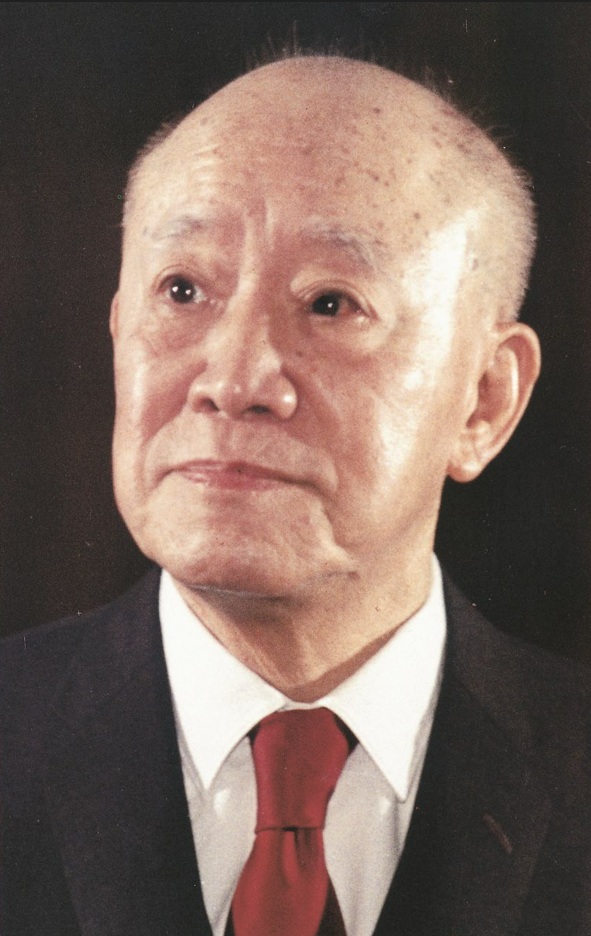
Mr. CHEN Kwang-pu was a graduate of the Wharton School of the University of Pennsylvania in the United States.
In 1915, Mr. CHEN founded The Shanghai Commercial & Savings Bank in Shanghai, commencing operations with just seven staff members and an initial capital of $100,000. He established a modern banking model, becoming one of modern China's most respected and influential bankers.
Founding Principles:
To Serve Society
To Support Industry
To Promote International Trade
Through continuous innovation and strategic growth built upon this solid foundation, the institution has evolved into the present-day Shanghai Commercial Bank.

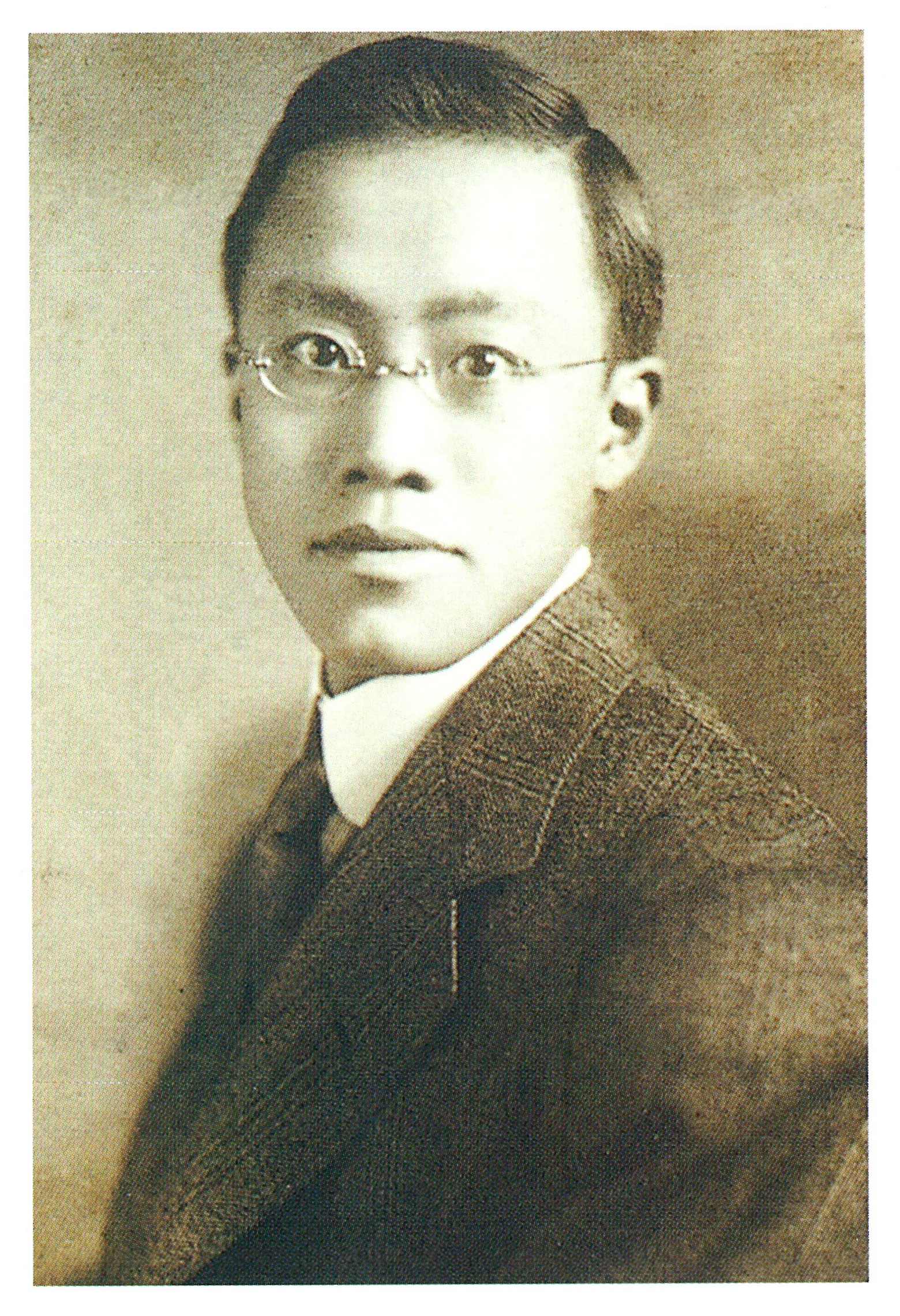
Mr. CHEN Kwang-pu in his youth

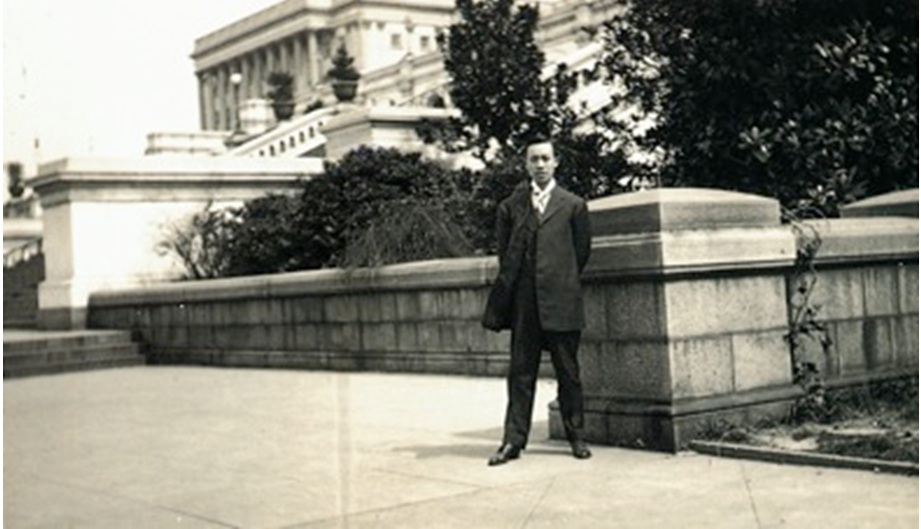
Mr. CHEN Kwang-pu during his studies in the United States

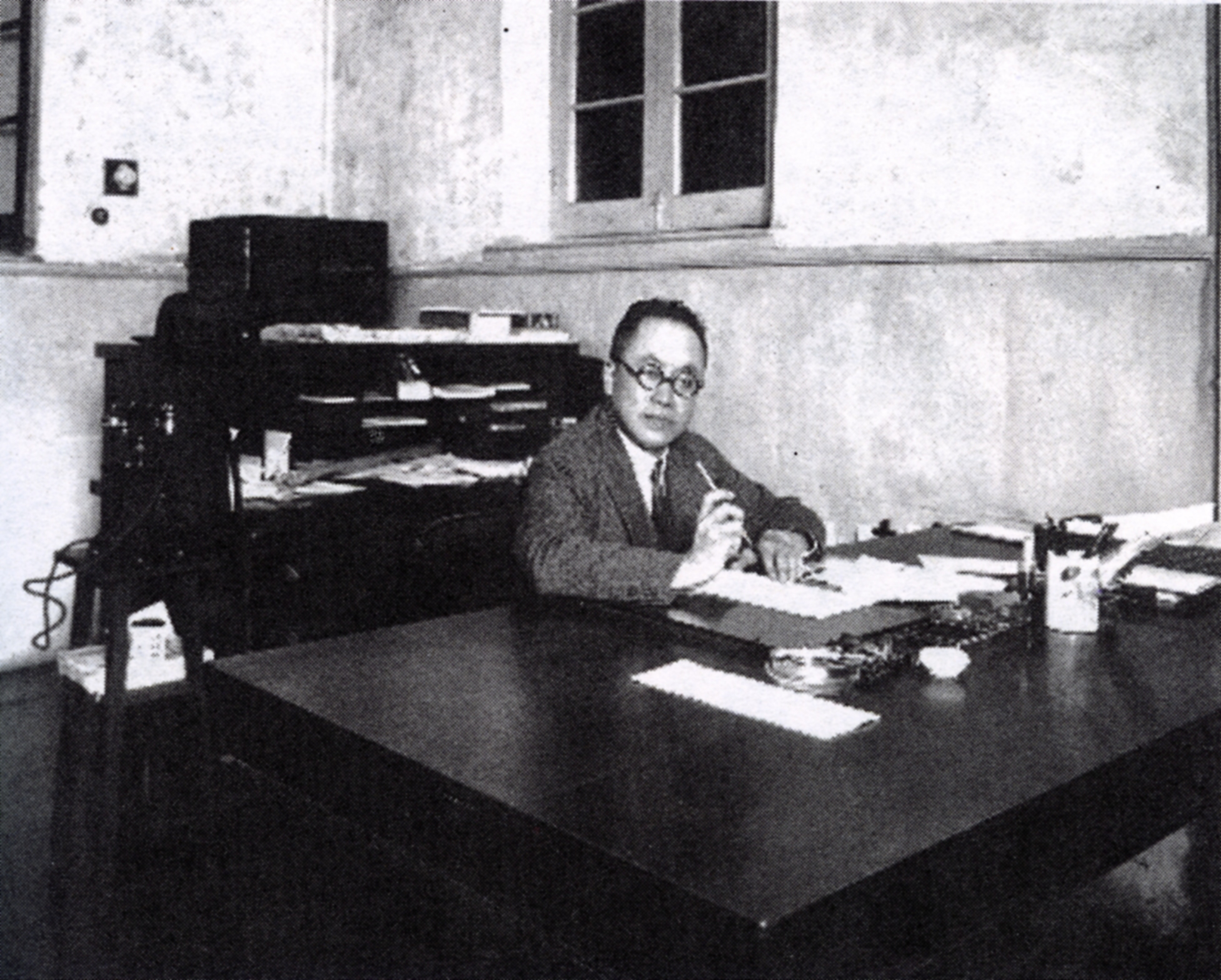
Mr. CHEN Kwang-pu in his office

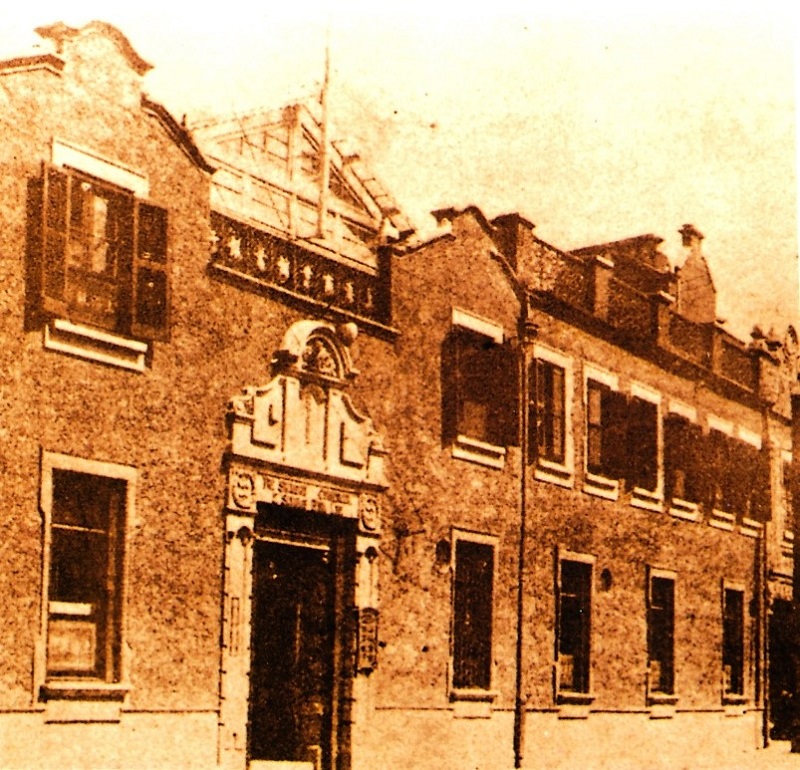
In 1915, The Shanghai Commercial & Savings Bank was established at No. 8 Ningbo Road, Shanghai.

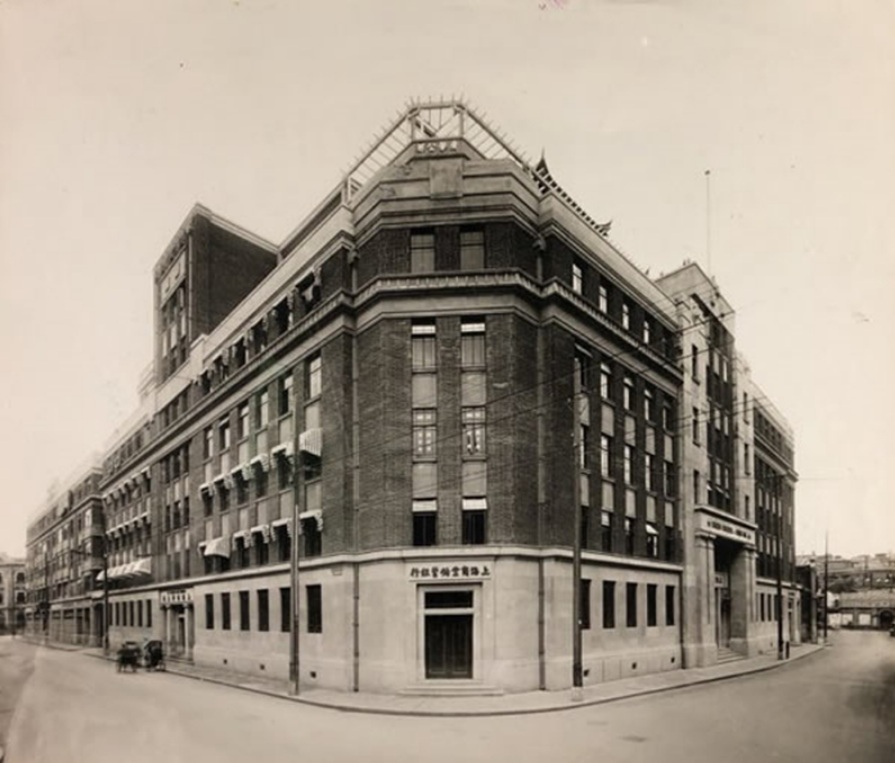
In 1931, The Shanghai Commercial & Savings Bank relocated to its new Head Office building at 50 Ningbo Road, Shanghai.
Pioneer of Inclusive Finance: Introducing "One-Dollar Account Opening"
From its founding in 1915, Mr. CHEN Kwang-pu positioned The Shanghai Commercial & Savings Bank as a "savings" bank.
This was an era of urban capital concentration and poised economic growth. To encourage the habit of saving, the Bank pioneered the "One-Dollar Account Opening", allowing customers to open an account and receive a passbook with a minimal deposit of just one dollar.
While the "One-Dollar Account Opening" sparked considerable public interest, it was initially met with scepticism from the banking industry. Anecdotes recount that a traditional money house once brought one hundred dollars to the Bank, demanding to open one hundred separate one-dollar accounts.
Guided by an unwavering commitment to service – meticulous in execution, undeterred by complexity – the Bank’s staff processed each request with scrupulous care. As word of this dedication spread, it garnered widespread public trust and support. Before long, nearly all competing banks followed suit and launched their own one-dollar account opening services, establishing a new benchmark for the industry.
The "One-Dollar Account Opening" significantly lowered the barrier to entry for banking in Shanghai, marking an innovative milestone in the history of inclusive finance. It not only promoted thrift among the public but also embodied a service philosophy centred on accessibility and a customer-first ethos.

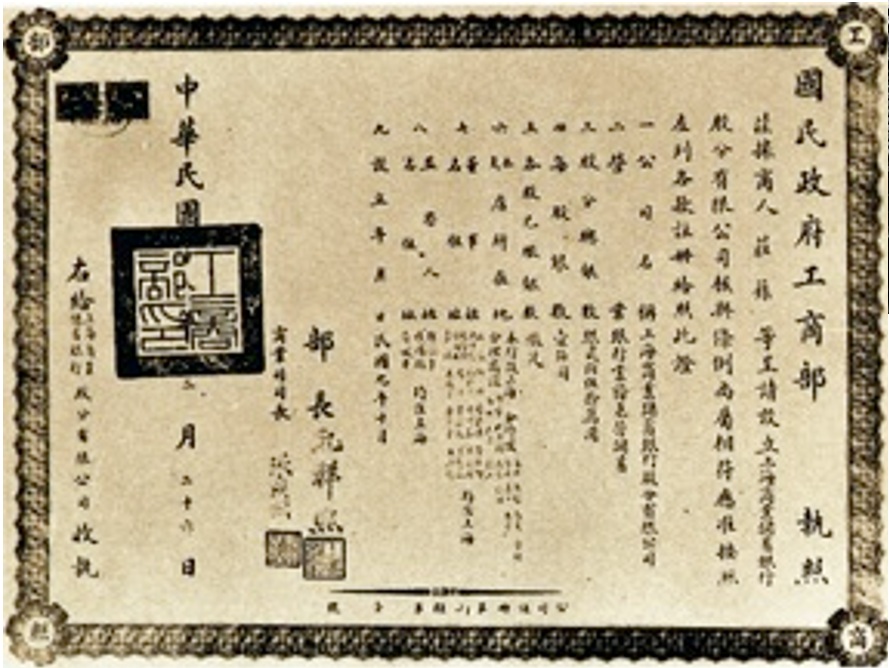
Business licence issued by the National Government's Ministry of Industry and Commerce – The Shanghai Commercial & Savings Bank (1929)
Founding China Travel Service: Connecting China and the World


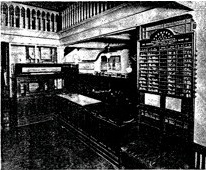
Travel Department of The Shanghai Commercial & Savings Bank

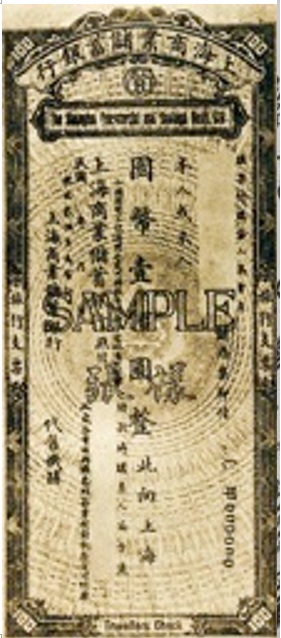
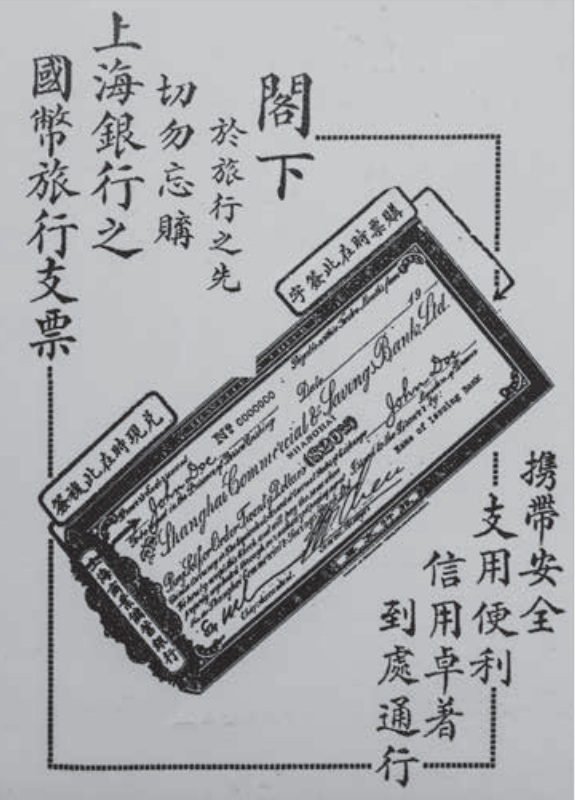
Traveller's Cheque issued by The Shanghai Commercial & Savings Bank, with its contemporary advertisement
An avid traveller himself, Mr. CHEN Kwang-pu believed that travel services not only benefited the public but also promoted cross-border trade and international commerce, thereby contributing to the national economy.
In 1923, The Shanghai Commercial & Savings Bank established a Travel Department, which sold train and ship tickets in Shanghai and handled study abroad arrangements for students. It also introduced traveller's cheques to eliminate the risks of carrying large amounts of cash, providing a secure and convenient solution for travellers and businesspeople.
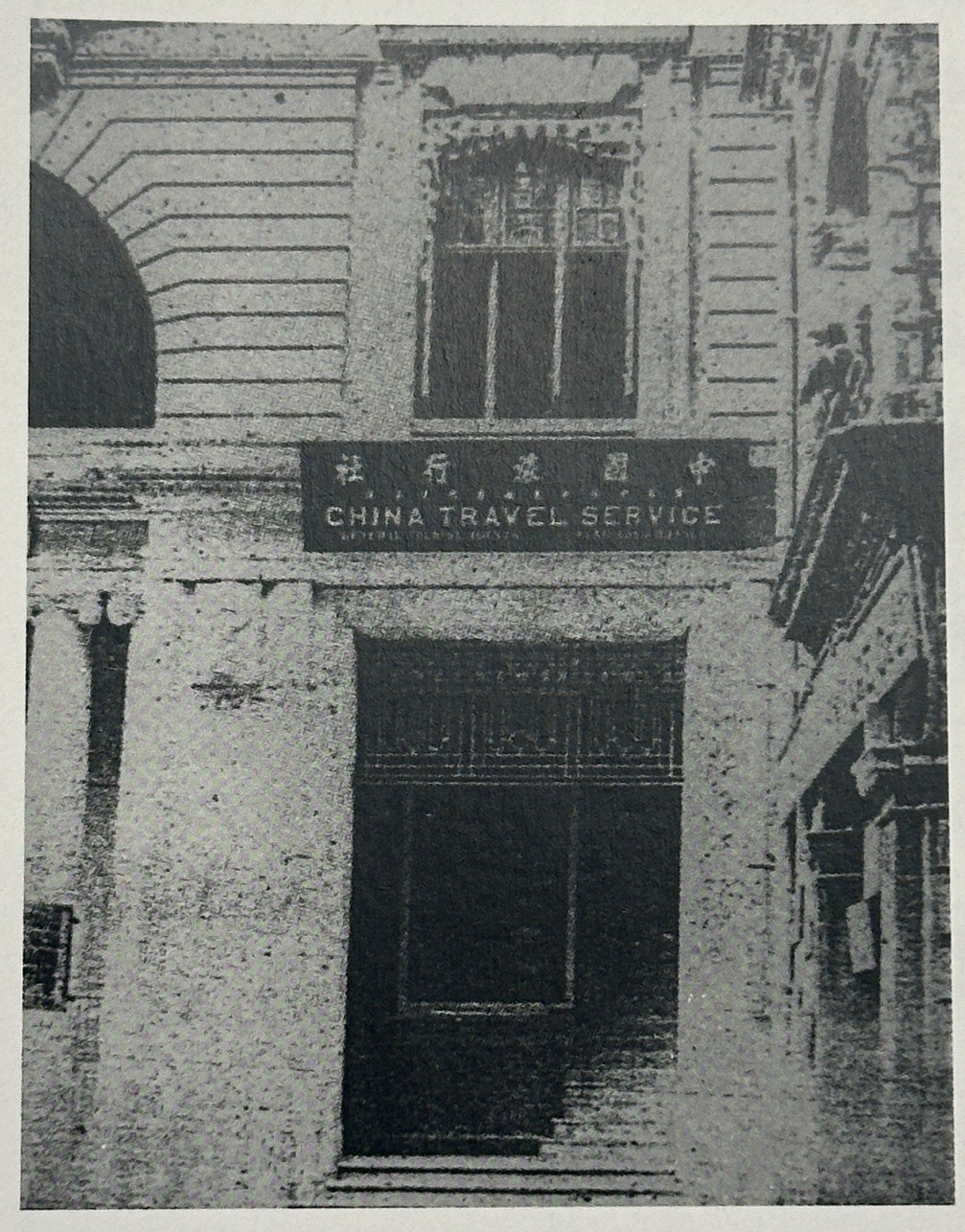
As the business grew, the Travel Department became an independent entity in 1927 and was renamed China Travel Service, marking the establishment of the first travel agency in Chinese history.
Recognising Hong Kong’s potential as a gateway to global commerce as its economy began to thrive, Mr. CHEN established a China Travel Service branch at 6 Queen's Road Central, Hong Kong, in 1928. This strategic move strengthened Hong Kong's international connections and promoted the growth of financial and travel-related business.

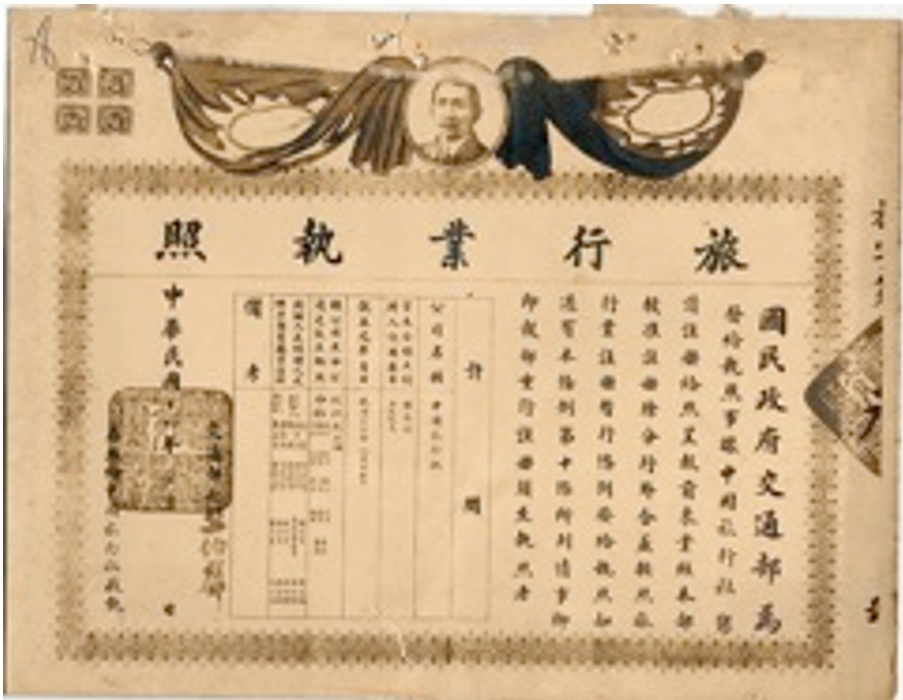
The first travel agency licence issued by the National Government's Ministry of Communications after the Travel Department became an independent entity as China Travel Service

The China Travel Service branch at 6 Queen's Road Central, Hong Kong, established in 1928
Serving the Nation and Its People
During the war, the United States extended two loans to China – US$25 million and US$20 million respectively – secured by Chinese exports of tung oil and tin. These became known historically as the "Tung Oil Loan" and the "Yunnan Tin Loan". Arriving at one of the most trying times in China’s war effort, the critical financial support significantly bolstered national morale.
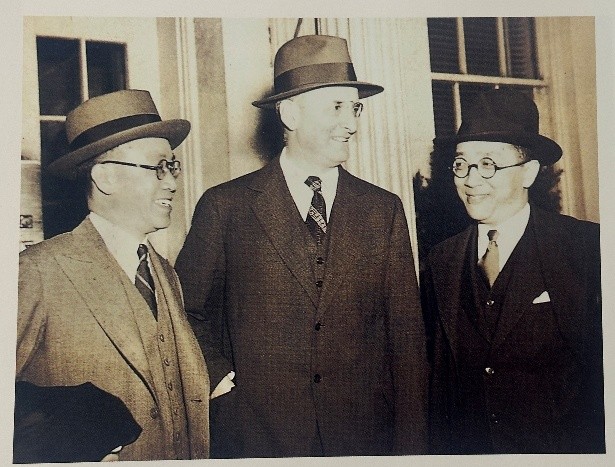
Mr. CHEN Kwang-pu was instrumental in securing these loans. In 1938, he travelled to the United States as China’s chief negotiator to meet with representatives of the U.S. Treasury. He proactively proposed using proceeds from tung oil sales as collateral and provided detailed accounts of China's production capacity.
After a month of negotiations, the two parties reached an agreement: a Chinese-registered entity, the Universal Trading Corporation, was established in New York to handle the sale of tung oil and purchase of goods in the U.S. The subsequent loan contract, signed between this corporation and the Export-Import Bank of the United States, was structured as a commercial transaction. This arrangement prevented potential Japanese accusations that the U.S. was violating its neutrality.
The "Tung Oil Loan" carried an annual interest rate of 4.5% with a five-year term, requiring the Chinese company to sell 220,000 tons of tung oil to the American company. China fully repaid the principal and interest by 1942 – two years ahead of schedule – honouring its sovereign credit commitment and substantially enhancing its creditworthiness. The U.S. government expressed profound admiration for the efforts of Mr. CHEN Kwang-pu and his team.
In early 1940, Mr. CHEN Kwang-pu was again commissioned to negotiate with the United States, resulting in the "Yunnan Tin Loan" agreement secured by tin from Yunnan province.
Mr. CHEN once recalled the U.S. Secretary of the Treasury telling him, "A loan is possible, but we will only negotiate with you because we have great trust in you."
This stands as a testament that Mr. CHEN Kwang-pu was not only a brilliant banker but also a successful diplomat who earned the trust and admiration of the international community.

Mr. CHEN Kwang-pu, U.S. Secretary of the Treasury Henry MORGENTHAU Jr., and Chinese Ambassador to the U.S. HU Shih, photographed after the successful negotiation of the "Tung Oil Loan"

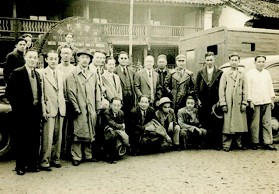
Mr. CHEN Kwang-pu with colleagues at the China Travel Service guesthouse in Mangshi, Yunnan, during an inspection of tung oil transport operations in 1942